
Sustainability is no longer simply an environmental consideration for manufacturers. For many businesses, it has become an important part of how products are developed, manufactured, packaged, marketed and delivered to customers.
Consumers are becoming more conscious of the products they purchase, while businesses are increasingly evaluating suppliers based on environmental practices, resource efficiency and responsible operations.
This shift is making sustainable manufacturing an increasingly important consideration for brands looking for long-term manufacturing partners.
For OEM and ODM businesses, sustainability can influence more than environmental impact. When implemented strategically, it can contribute to operational efficiency, supply-chain resilience, brand differentiation and stronger relationships with customers and business partners.
So, what exactly is sustainable manufacturing, and why is it becoming a competitive advantage?
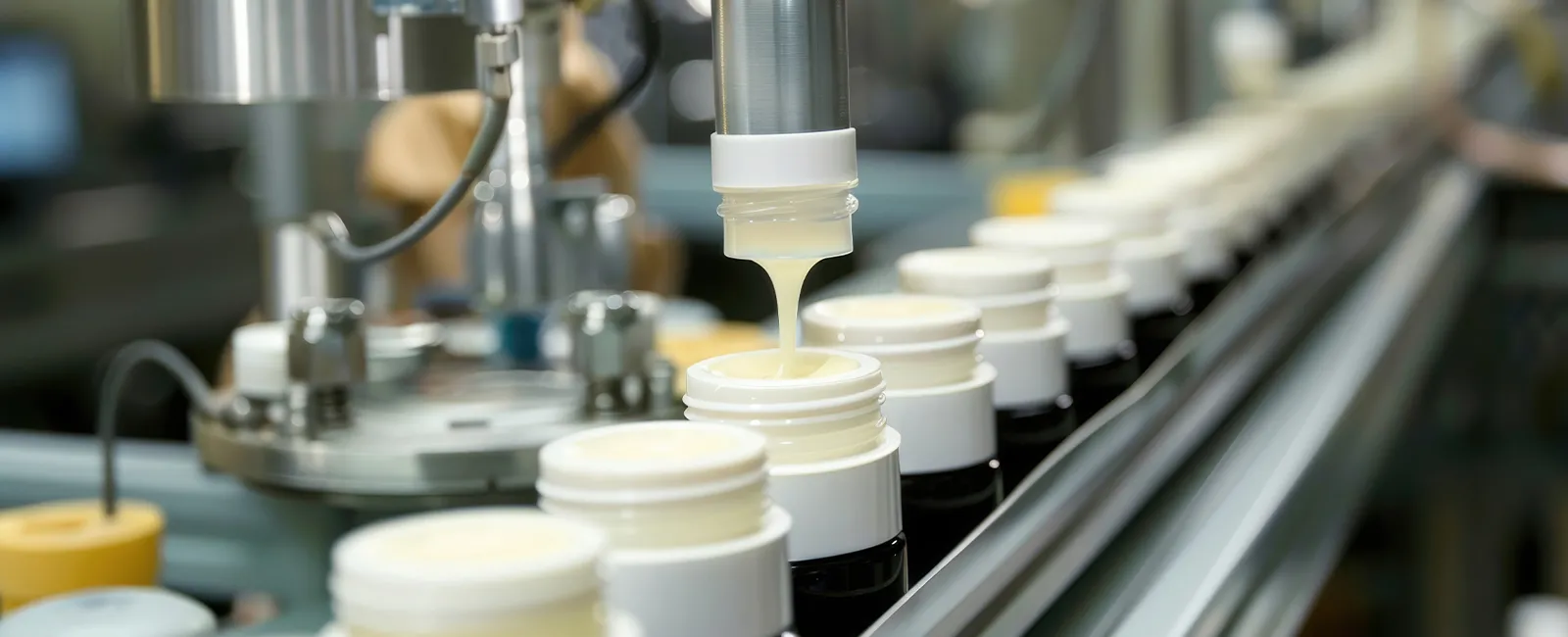
What Is Sustainable Manufacturing?
Sustainable manufacturing refers to producing goods in a way that aims to minimise environmental impact while maintaining product quality, operational efficiency and long-term business viability.
It considers how resources are used throughout the manufacturing lifecycle, including:
- Raw materials
- Energy
- Water
- Packaging
- Production processes
- Waste
- Transportation
- Product lifecycle
Rather than focusing on one isolated environmental initiative, sustainable manufacturing takes a broader view of how manufacturing activities affect the environment, people and business performance.
This can include adopting more efficient production processes, reducing material waste, improving energy efficiency, selecting responsible materials and designing packaging with resource efficiency in mind.

Sustainable Manufacturing vs Green Manufacturing
The terms sustainable manufacturing and green manufacturing are closely related, but they are not always identical.
Green Manufacturing
Green manufacturing generally focuses on reducing the environmental impact of manufacturing activities.
It establishes systems and procedures designed to prevent quality problems from occurring.
Examples include:
- Reducing waste
- Lowering energy consumption
- Minimising emissions
- Using environmentally preferable materials
- Improving recycling
Sustainable Manufacturing
Sustainable manufacturing takes a broader approach.
It considers environmental responsibility alongside operational efficiency, supply-chain management, social considerations and long-term business sustainability.
In other words:
Green manufacturing focuses heavily on environmental impact.
Sustainable manufacturing considers the wider long-term impact of manufacturing operations.
Both approaches can contribute to a more responsible and efficient manufacturing ecosystem.

Why Is Sustainable Manufacturing Becoming More Important?
Several changes are pushing sustainability higher on the agenda for businesses.
1. Ensures Consistent Product Quality
Consumers Are Paying More Attention to Sustainability Modern consumers have greater access to information about how products are made.
They may consider:
- Where materials come from
- How products are manufactured
- Whether packaging can be recycled
- How much unnecessary packaging is used
- Whether brands demonstrate responsible practices
For consumer-facing brands, these expectations can influence purchasing decisions and brand perception.
Sustainability therefore becomes not only an operational consideration but also part of the overall customer experience.
2. Businesses Are Looking Beyond Product Cost
When selecting a manufacturing partner, businesses increasingly need to consider the total cost and impact of production rather than simply the unit manufacturing price.
For example, inefficient packaging can increase:
- Material consumption
- Storage requirements
- Transportation costs
- Product damage
- Waste
A more efficient packaging solution may reduce material usage while also improving logistics efficiency.
This demonstrates an important principle:
Sustainability and business efficiency do not always have to be competing priorities.
In many situations, reducing waste and resource consumption can also improve operational performance.
3. Sustainability Can Strengthen Brand Differentiation
In competitive markets, many brands offer products with similar features.
Sustainable practices can become one way for businesses to differentiate themselves.
For example, a brand may communicate its commitment through:
- Responsible packaging
- Recyclable materials
- Reduced packaging
- Efficient production
- Responsible sourcing
- Transparent supply-chain practices
However, sustainability claims should always be supported by genuine practices and appropriate evidence.
Businesses should avoid making broad environmental claims that cannot be substantiated.

How Sustainable Manufacturing Creates Competitive Advantage
Sustainability becomes commercially valuable when it contributes to measurable business outcomes.
Here are several ways it can create competitive advantage.
1. Improved Resource Efficiency
Manufacturing requires resources such as energy, water and raw materials.
Reducing unnecessary consumption can improve operational efficiency.
Examples include:
- Optimising production processes
- Reducing material waste
- Improving production yields
- Optimising packaging dimensions
- Improving inventory management
- Reducing unnecessary transportation
When resources are used more efficiently, manufacturers can potentially reduce operational waste and improve productivity.
2. Reduced Material Waste
Manufacturing waste can occur at many stages, including:
- Visual inspection
- Quantity verification
- Packaging condition
- Identification checks
- Documentation review
- Specification verification
- Appropriate laboratory testing
A sustainable manufacturing approach looks for opportunities to reduce waste at its source.
For example, packaging can be redesigned to use fewer materials without compromising product protection.
This can benefit both environmental performance and production efficiency.
3. More Efficient Packaging
Packaging is one of the most visible areas where brands can introduce sustainability initiatives.
Businesses can explore options such as:
- Recyclable packaging
- Responsibly sourced paper
- Reduced-material packaging
- Lightweight packaging
- Refillable systems
- Efficient packaging dimensions
However, sustainability should not compromise product protection.
The objective is to find the right balance between environmental considerations, product safety, functionality, cost and customer experience.

Sustainable Manufacturing and ESG
Sustainability is also increasingly connected to ESG manufacturing.
ESG refers to:
- Environmental
- Social
- Governance
While environmental sustainability is an important component, ESG is broader than environmental initiatives alone.
Environmental
Manufacturers may consider:
- Energy consumption
- Waste management
- Resource efficiency
- Emissions
- Material sourcing
Social
Businesses may consider:
- Workplace safety
- Employee welfare
- Responsible labour practices
- Supplier relationships
Governance
Governance can involve:
- Policies
- Documentation
- Accountability
- Risk management
- Compliance
- Transparency
For businesses evaluating manufacturing partners, these areas can increasingly become part of supplier assessment and procurement considerations.
What Does Sustainable Manufacturing Look Like in Practice?
Sustainability does not necessarily require manufacturers to completely redesign their operations overnight.
It can begin with practical improvements throughout the manufacturing process.

Material Selection
Evaluate whether alternative materials can reduce environmental impact while maintaining the required product performance.
Production Efficiency
Review manufacturing processes to identify unnecessary material, energy or resource consumption.


Waste Reduction
Measure where waste occurs and identify opportunities to reduce, reuse or recycle materials where appropriate.
Packaging Optimisation
Review packaging size, material selection and structural design to reduce unnecessary resource consumption.


Responsible Sourcing
Work with suppliers that can provide appropriate documentation and meet defined quality and sourcing requirements.
Continuous Improvement
Sustainability should be treated as an ongoing process rather than a one-time project.


What Should Businesses Look for in a Sustainable Manufacturing Partner?
If sustainability is important to your brand, don’t simply ask an OEM manufacturer whether they are “sustainable.”
Ask specific questions.
1. How are suppliers selected and evaluated?
Understand how waste is measured, managed and reduced.
2. What sustainable materials are available?
Ask whether the manufacturer can recommend suitable material options for your product and packaging requirements.
3.How do you manage supplier sourcing?
Understand how suppliers and materials are evaluated.
4. Can packaging be optimised?
Explore whether packaging can be redesigned to reduce unnecessary material while maintaining product protection.
5. How is sustainability incorporated into production?
Ask whether sustainability considerations form part of ongoing manufacturing improvement.
Specific questions provide a clearer picture than relying on general sustainability statements.
The Future of Sustainable Manufacturing
Sustainability is likely to become increasingly integrated into product development and manufacturing decisions.
Future priorities may include:
- More efficient production systems
- Circular packaging models
- Refillable products
- Responsible material sourcing
- Lower-waste manufacturing
- Better supply-chain transparency
- Data-driven resource management
- More sustainable product design
For brands, this means sustainability should not necessarily be treated as a separate marketing campaign.
Instead, it can become part of how products are designed, manufactured, packaged and brought to market.
Why Sustainable Manufacturing Matters for Your Brand
For an OEM or ODM brand, manufacturing decisions can have a direct impact on how customers perceive the finished product.
A well-designed sustainable manufacturing strategy can help businesses pursue multiple objectives at the same time:
Efficiency
Waste
and Packaging
Credentials
Differentiation
Efficiency
Waste
and Packaging
Credentials
Differentiation
The exact benefits will depend on the product, manufacturing process and sustainability initiatives implemented.
The important point is that sustainability can be approached as a business improvement opportunity, rather than simply an environmental obligation.

Conclusion
Sustainable manufacturing is becoming an increasingly important consideration for modern businesses because it connects environmental responsibility with operational efficiency, brand reputation, supply-chain resilience and changing customer expectations.
Through green manufacturing practices such as waste reduction, resource efficiency, responsible material selection and packaging optimisation, manufacturers can identify opportunities to improve how products are produced.
At the same time, broader ESG manufacturing considerations can help businesses evaluate their manufacturing partners from environmental, social and governance perspectives.
For brands working with an OEM or ODM manufacturer, the best time to consider sustainability is not after production has started. It is during product development, material selection, packaging development and manufacturing planning.
By working with a manufacturing partner that understands both product quality and sustainability, businesses can develop products that are designed not only for today’s market, but also for increasingly responsible and competitive markets in the future.
Frequently Asked Questions
What is sustainable manufacturing?
Sustainable manufacturing is the production of goods using processes and resources in a way that aims to reduce environmental impact while maintaining product quality, operational efficiency and long-term business viability.
What is the difference between sustainable manufacturing and green manufacturing?
Green manufacturing generally focuses on reducing the environmental impact of manufacturing, while sustainable manufacturing takes a broader approach that can include environmental, operational, social and long-term business considerations.
Why is sustainable manufacturing important for businesses?
Sustainable manufacturing can help businesses improve resource efficiency, reduce waste, respond to changing customer expectations, strengthen brand differentiation and support longer-term supply-chain resilience.
What is ESG manufacturing?
ESG manufacturing refers to applying Environmental, Social and Governance considerations to manufacturing operations and supplier relationships. It can cover environmental impact, workplace practices, responsible sourcing, compliance and governance.
How can OEM manufacturers reduce environmental impact?
Potential approaches include reducing manufacturing waste, improving resource efficiency, optimising packaging, selecting appropriate materials, improving production processes and implementing responsible sourcing practices.
Is sustainable manufacturing more expensive?
Not necessarily. Some sustainability initiatives require additional investment, while others can improve efficiency and reduce material or operational waste. The financial impact depends on the specific manufacturing process and solution.
How can I make my product packaging more sustainable?
Businesses can explore options such as recyclable materials, responsibly sourced paper, lightweight structures, reduced-material designs and refillable packaging. The appropriate solution depends on the product's protection, functionality, cost and market requirements.
How do I choose a sustainable OEM manufacturing partner?
Ask potential manufacturers about their waste management, material sourcing, packaging capabilities, production processes, quality systems and sustainability practices. Request specific information rather than relying solely on general environmental claims.